Government Adopts Zero-Tolerance Stance Against Human Trafficking and Online Scams: Home Adviser
Last updated: 7/30/2026 1:28:00 PM
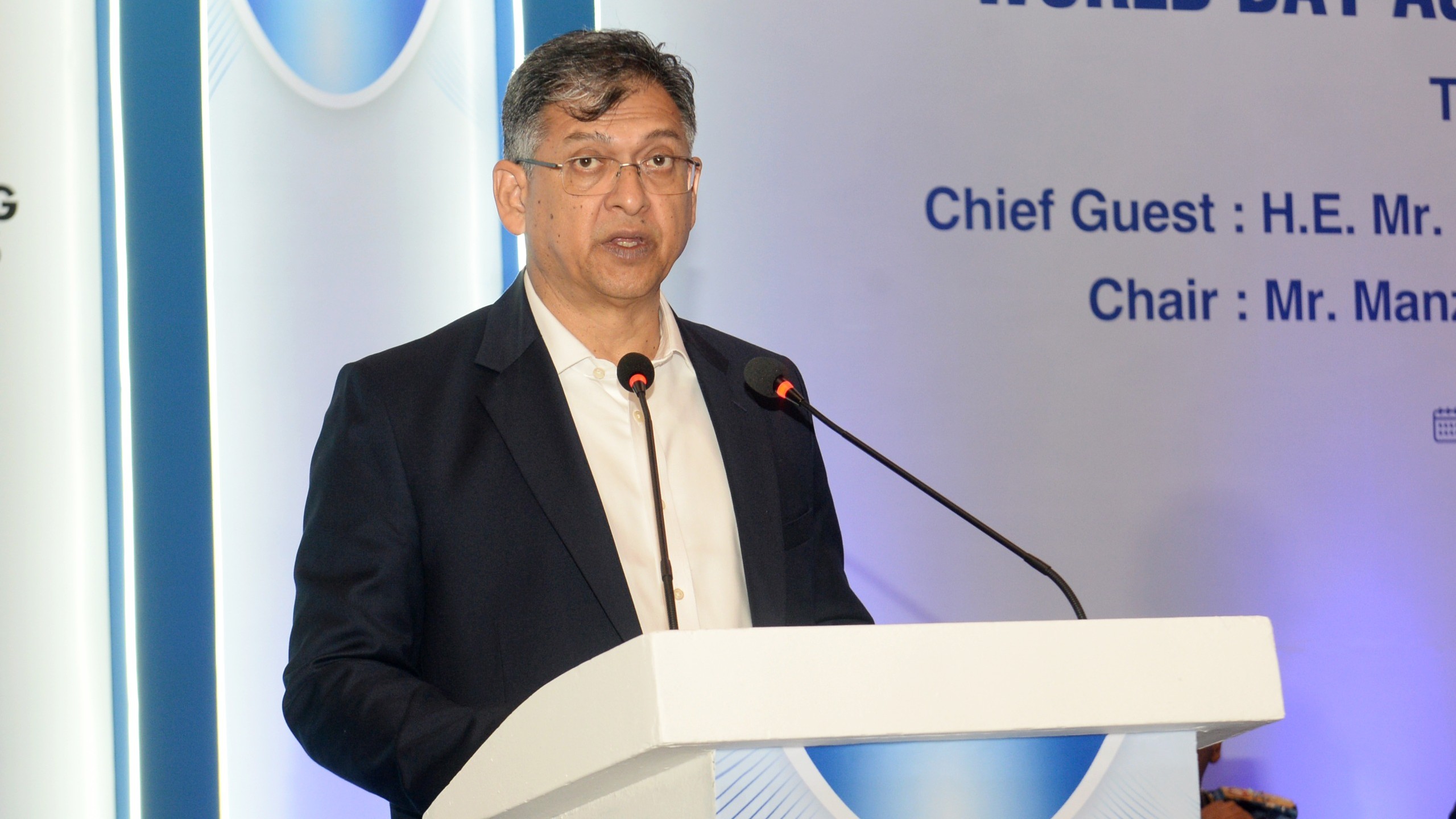
The government is giving the highest priority to protecting citizens from human trafficking and technology-enabled crimes, Home Adviser Salahuddin Ahmed said, reaffirming its zero-tolerance policy against international trafficking and online scam networks that exploit digital technologies.
He made the remarks on Thursday (July 30) while addressing the high-level national dialogue titled "Trapped Behind the Scam: Ending Human Trafficking for Forced Criminality," organized to mark World Day Against Trafficking in Persons 2026 at the Grand Ballroom of Pan Pacific Sonargaon Hotel in Dhaka.
The adviser said human trafficking has become increasingly complex and is constantly evolving. Criminal networks are no longer relying solely on traditional methods but are using digital platforms, fake online recruitment portals, and social media to lure young people and job seekers. Victims are enticed with promises of lucrative jobs and better futures abroad, only to be trapped in cyber scam centers where they face abuse, intimidation, and forced participation in criminal activities.
He emphasized that traffickers are increasingly exploiting digital technologies, making conventional law enforcement approaches insufficient. Addressing the threat requires coordinated efforts involving technology companies, financial institutions, the private sector, and civil society.
Highlighting the government's initiatives, Salahuddin Ahmed said Bangladesh has achieved a significant milestone by enacting the Human Trafficking and Migrant Smuggling (Prevention and Suppression) Act, 2026, in line with the United Nations Convention against Transnational Organized Crime (UNTOC) and its related protocols. The new law brings modern crimes—including online scams, technology-based deception, and coercion into criminal activities—under strict legal penalties.
He added that the government is also updating the Human Trafficking Prevention and Suppression Rules, 2017, to ensure effective implementation. At the same time, the Ministry of Home Affairs is finalizing the National Action Plan (2026–2030), which will strengthen the four key pillars of prevention, protection, prosecution, and partnership.
Speaking on victim protection and rehabilitation, the adviser said ensuring the safety and dignity of trafficking survivors is both a moral and legal responsibility of the government. The National Referral Mechanism (NRM) is being strengthened to provide victims with prompt rescue, legal assistance, healthcare, psychosocial support, and rehabilitation. A modern Digital Anti-Trafficking Information Management Platform is also being developed to improve data-driven policymaking and case tracking.
He urged the media and civil society to raise awareness among youth, women, and prospective migrant workers about safe migration and the dangers of fraudulent recruitment networks.
The dialogue was chaired by Senior Secretary of the Public Security Division Manjur Morshed Chowdhury. Special guests included Law and Justice Division Secretary Md. Liaquat Ali Mollah, Inspector General of Police (IGP) Md. Ali Hossain Fakir, EU Chargé d'Affaires Baiba Zarina, and Dr. Laura Tom Bond, Chief of Mission of IOM Bangladesh and Coordinator of the UN Migration Network.
Also present were Bangladesh Coast Guard Director General Rear Admiral Md. Ziaul Haque and Border Guard Bangladesh (BGB) Additional Director General Brigadier General Md. Sohrab Hossain Bhuiyan, NDC.
The welcome address was delivered by Additional Secretary Dr. Ziauddin Ahmed of the Ministry of Home Affairs, while UNODC Bangladesh Head of Programme Shah Mohammad Nahian elaborated on this year's theme for World Day Against Trafficking in Persons. An informative documentary was screened following the inaugural session, which was moderated by Joint Secretary Rebecca Khan.
A working session titled "Trapped Behind the Scam: Addressing Trafficking for Forced Criminality, Deceptive Recruitment and Online Exploitation" followed the opening ceremony. Moderated by Tasnim Binte Karim, National Programme Coordinator of UNODC South Asia, the panel featured CID Chief and Acting Additional IGP Ali Akbar Khan, Italian State Police Representative Giuseppe Di Giovanni from the Embassy of Italy in Dhaka, BRAC Migration Programme Associate Director Shariful Hasan, and Nahid Arman, a survivor rescued from an online scam center in Cambodia.
The event also included an open discussion and a puppet show titled "Trapped in Pursuit of a Better Life," designed to raise public awareness about human trafficking.
The programme was jointly organized by the Ministry of Home Affairs, the United Nations Office on Drugs and Crime (UNODC), and the Counter-Trafficking Technical Working Group of the UN Migration Network. Senior government officials, diplomats, representatives of international development organizations, law enforcement agencies, and members of the media attended the national dialogue.
94
6427
Give Your Feedback/Opinion
Conditions: You cannot use abusive words/sentences. You can't sneer at anyone. You cannot give aggressive statement to anyone.