Earth Vibrates Every 26 Seconds: What Is Behind the Mysterious Pulse?
Last updated: 10/31/2026 2:49:00 PM
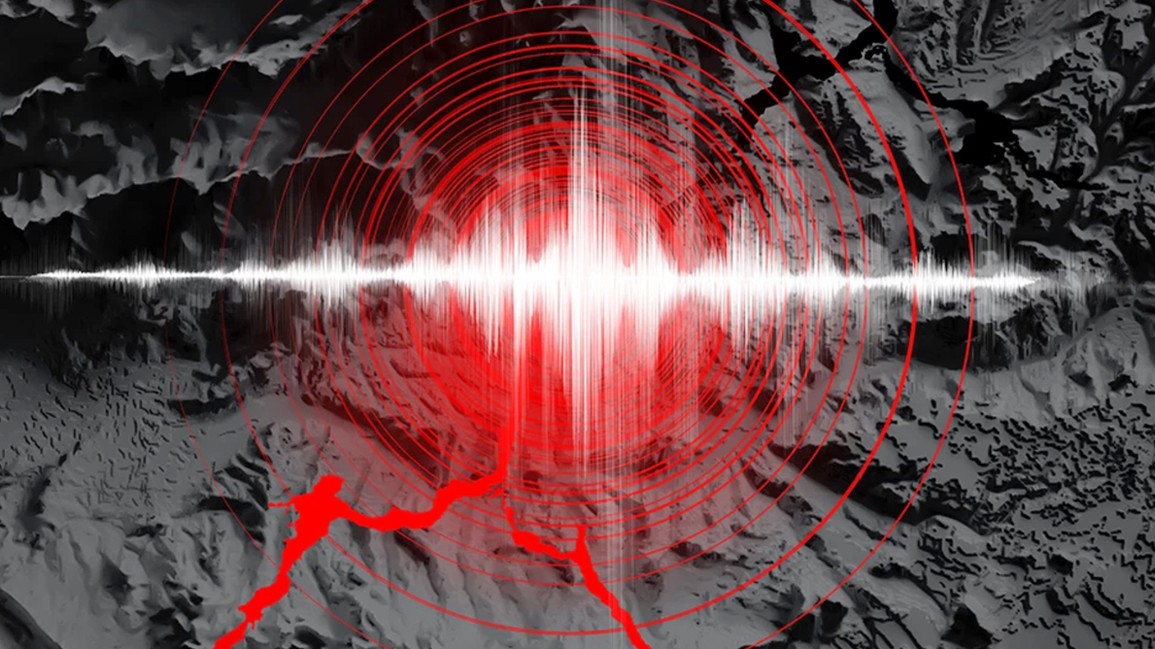
Earth experiences a rhythmic vibration roughly every 26 seconds. The tremor is so subtle that humans cannot feel it, but highly sensitive seismometers installed around the world can detect the unusual signal. Scientists have been studying the phenomenon for decades, yet its exact cause remains unknown, according to NDTV.
The unusual vibration was first observed in the early 1960s by geophysicist Jack Oliver. He noticed that seismometers in different parts of the world were recording a recurring signal at regular intervals. Later observations suggested that the source could be somewhere in the equatorial Atlantic Ocean.
In 2005, researchers at the University of Colorado Boulder rediscovered the unusual signal while analysing digital seismic data. Their findings pointed to the Gulf of Guinea, off the coast of West Africa, as a possible source.
Since then, scientists have proposed several explanations for the mysterious phenomenon. However, none has been conclusively proven.
First theory: Ocean waves
One theory suggests that powerful ocean waves striking the continental shelf may be responsible for the vibrations. The impact of the waves could generate energy that travels through the ocean floor, producing signals similar to seismic activity.
Second theory: Volcanic activity
Another explanation was proposed in a 2013 study by Chinese researchers. They suggested that volcanic activity near São Tomé Island, in the Bight of Bonny region of the Gulf of Guinea, could be responsible for the recurring tremors. The location's proximity to the suspected source has drawn scientific interest.
Despite decades of research, scientists have yet to reach a consensus on the cause of the 26-second pulse. Researchers say further investigation is needed to understand the phenomenon and determine what drives Earth's mysterious rhythmic vibration.
Conditions:
You cannot use abusive words/sentences. You can't sneer at anyone. You cannot give aggressive statement to anyone.
More Capital (রাজধানী)