29% of Highly Educated Young People in Bangladesh Are Unemployed: IMF
Last updated: 10/17/2026 11:47:00 AM
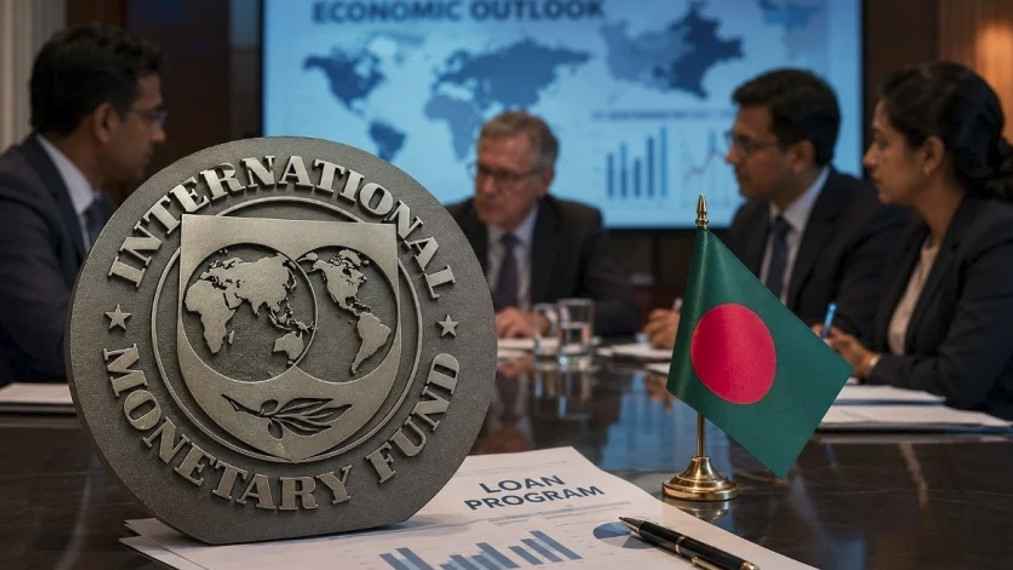
Around 29% of highly educated young people in Bangladesh are unemployed, while nearly half of highly educated workers are employed in jobs that do not fully utilise their qualifications and skills, according to a report by the International Monetary Fund (IMF).
The findings were published in the IMF’s Regional Economic Outlook: Asia and the Pacific on October 15. The report identified a mismatch between job seekers’ skills and employers’ requirements as a major barrier to youth employment.
The IMF noted that many young graduates struggle to find jobs due to skills shortages, while others are forced to take positions below their qualifications. The prevalence of informal employment across Asia also limits job security, formal contracts and career development opportunities.
The report stressed that Bangladesh needs to create more quality jobs in manufacturing and services and ensure that the education system equips young people with relevant skills. Making productive use of the country’s growing working-age population could create significant economic opportunities.
AI’s Impact on the Job Market
Artificial intelligence (AI) is adding to labour market challenges. An analysis of 40 million online job advertisements across 19 Asian economies found that demand for workers in occupations highly exposed to AI had fallen by around 10%, while demand for workers with AI-related skills had increased.
The IMF warned that even economies currently less exposed to AI could face challenges as the technology reshapes jobs in manufacturing and services.
Meanwhile, the IMF lowered its forecast for Bangladesh’s GDP growth to 3.2% for the 2026–27 fiscal year. Across Asia and the Pacific, growth prospects have improved in economies benefiting from the technology and AI boom, while lower-income economies continue to face pressure from high energy costs and inflation.
Conditions:
You cannot use abusive words/sentences. You can't sneer at anyone. You cannot give aggressive statement to anyone.
More Capital (রাজধানী)